An overview of rose flowers, exploring their evolving roles, cultural meaning, and symbolism.
Flower

Rose Flowers: An Overview of Their Evolving Role and Meaning

There’s something about roses that draws everyone in. Perhaps it’s the soft, adorable scent that catches your attention before you even notice them, or the colours that manage to be both strong and sensitive. Possibly it’s because rose flowers have an effortless elegance that uplifts even the most boring moments.

They are everywhere, including gardens, celebrations, love stories, apologies, and all the unexpected instances when a single bloom can lift your spirits. It’s not surprising that people are a little passionate about roses; they feel comfortable, soothing, and nearly irresistible not to appreciate.

What makes them even more endearing is how they convey a message without saying a word. A color can describe a sentiment you’re too nervous to say out loud, a rose bouquet might carry a memory, and a single stem can tell a complete story.

That is the wonder of the rose flower’s meaning: each bloom has a unique way of connecting with people, whether through emotion, tradition, or simple daily beauty. Roses are more than just beautiful; they speak to us, which is why they have remained popular for ages.

In this blog, we’ll take a closer look at roses and explore the many roles they’ve played — from history and symbolism to trends, varieties, and everything that makes them the world’s favourite flower.

History and language of roses

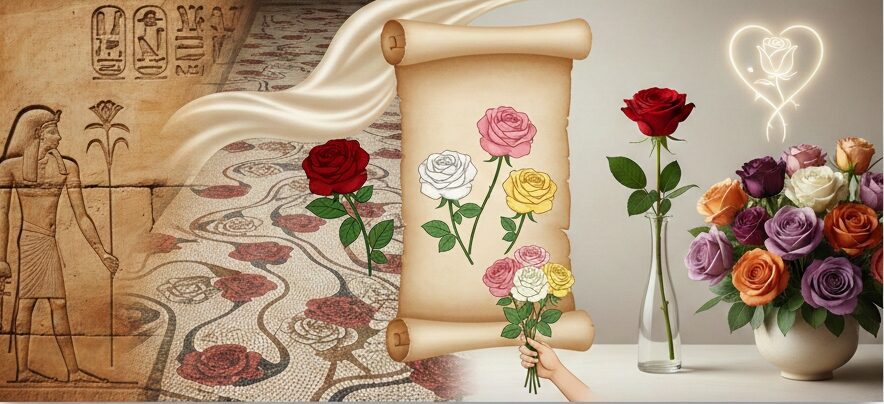
Roses have been adored for thousands of years, not only for their beauty, but also for the messages they convey and the symbolism they represent. From ancient cultures to the present, the rose flowers has represented emotion, celebration, and rank.

Roses have been used in traditions, decorations, and perfumes in ancient Egypt and Rome, indicating the emphasis people placed on their scent and elegance.

Over time, this appreciation evolved into a “language of roses,” in which each bloom, color, and arrangement could convey emotions without a single word being spoken.

One of the most persistent associations is the rose flower with love. Across cultures, red roses have become a universal symbol of romance, passion, and loyalty, while other colors, such as white, pink, and yellow, convey their own distinct emotions.

People began to give roses not only for decorative purposes, but also to express emotions – a single red rose could convey intense passion and affection. At the same time, a bouquet of various shades could tell a more nuanced story.

Even now, the curiosity remains. There are various roses produced for their elegance, fragrance, and cultural significance, and each has its own unique meaning associated with the rose flower.

Roses have evolved from the classic red to uncommon colors and hybrid types, yet their ability to speak to the heart has never wavered. They are eternal icons that extend history, culture, and personal expression in ways that few flowers can.  
Roses throughout the ages

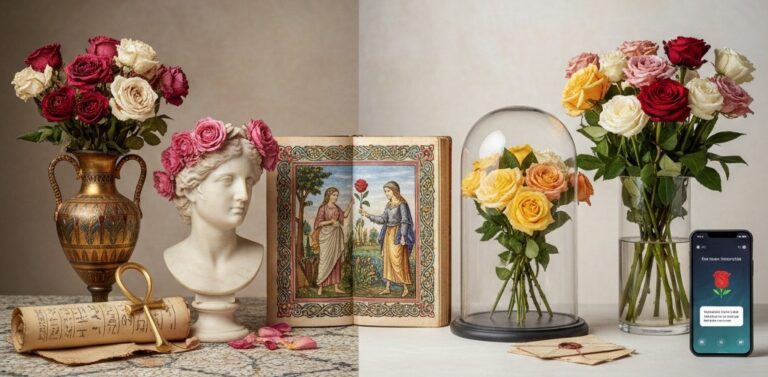
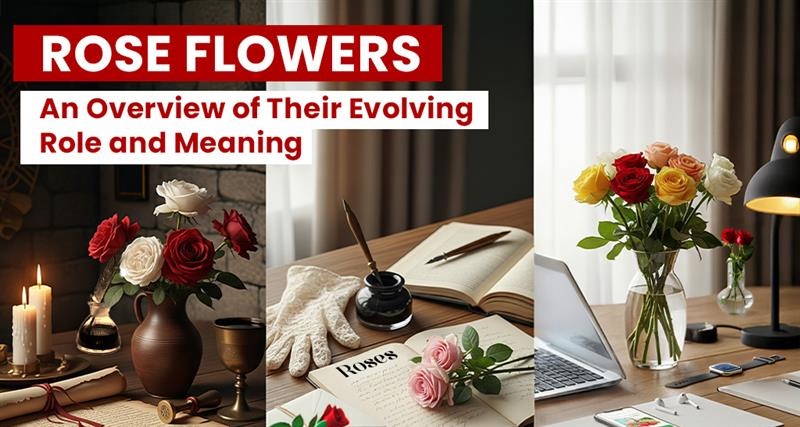
Roses have been around for generations, delivering charm, symbolism, and emotion wherever they grow. From ancient civilizations to modern festivities, people have valued different roses for the stories they tell and the feelings they evoke. What began as a flower of luxury and ceremony evolved into a worldwide icon of affection, gratitude, adoration, and remembering.

The meaning of the rose flower has evolved over the years, with red indicating love, pink representing admiration, yellow symbolizing friendship, and white implying purity; each color continues to influence how people express affection to this day.

The manner in which people used roses evolved along with cultures. Rose flower arrangements have evolved into a meaningful art form in their own right, combining colors, types, and textures to suit various festivities, emotions, and occasions.

Arrangements started to represent trends, individuality, and even contemporary aesthetic preferences, ranging from traditional long-stemmed red roses to mixed pastel bouquets.

These days, individuals experiment with an extensive range of rose bouquet ideas, from simple single-stem bouquets to highly intricate arrangements made with garden roses, spray roses, and preserved roses.

Whether they were delivered in secret love letters centuries ago or shared on modern digital timelines on essential occasions, roses have evolved to suit people’s feelings and expectations throughout history.

Roses are not just a part of our past, but also a continuous means of describing things that words frequently cannot, as their beauty remains unchanged, but our relationship with them does.

Meaning of colours

The rose flower is one of the most attractive ways to convey your emotions. Roses have carried layers of meaning across countries and generations, and their colours remain to determine how we portray love, gratitude, sympathy, admiration, and even mystery. Understanding each color helps you choose the ideal gesture, whether you’re selecting a rose flower arrangement, looking for rose arrangement ideas, or buying a special gift for her.

Red roses: Classic love

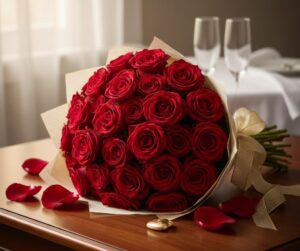
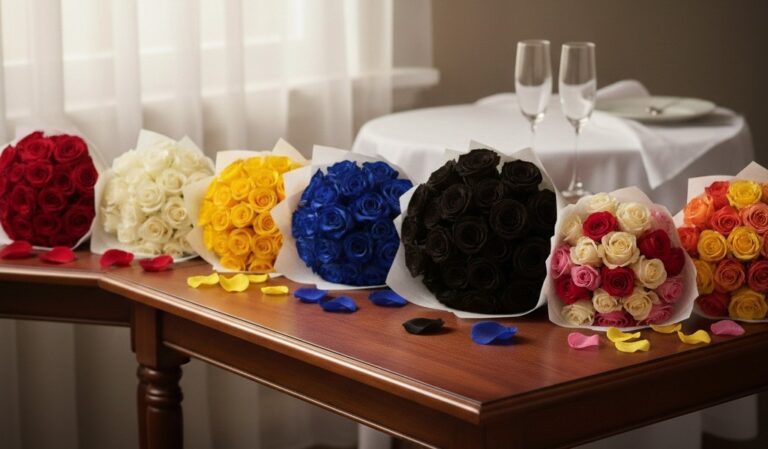
A red rose is a classic representation of passion. These rose flower petals symbolize great affection, commitment, and romance. Red rose bouquets are often the first choice for romantic gifts, particularly when selecting roses for her on Valentine’s Day, anniversaries, or special occasions. Red roses outrank all other rose flowers when it comes to expressing strong emotions.

White roses: Purity and new beginnings

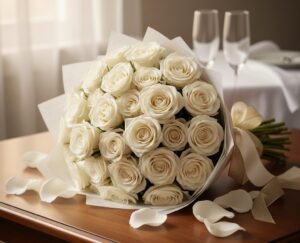
The white rose represents simplicity, integrity, and a fresh start. White rose bouquets possess a soothing beauty that makes them a popular choice for weddings and other serene occasions. They are great for exquisite rose flower arrangements or when you want your gesture to convey honesty and deep intent.

Yellow roses: Happiness and friendship

A cheerful and vibrant rose arrangement in yellow represents enthusiasm, positivity, and togetherness. These roses are ideal for expressing gratitude, recognizing accomplishments, or brightening someone’s day. Among the various roses, yellow roses have one of the warmest meanings—pure friendliness and natural warmth.

Blue roses: Mystery and uniqueness

A bouquet of blue roses represents the remarkable. Because blue roses do not occur naturally, they represent the unreachable, unusual, and imaginative. They are an excellent alternative for making your rose flower arrangement feel modern, romantic, or distinctive.

Black roses: Strength and transformation

Unlike traditional colors, black adds depth and symbolism to a rose bouquet. Bold emotions are embodied by black flowers, which stand for strength, farewell, transformation, and occasionally rebellion. They offer artistic flair and are usually chosen by individuals who appreciate unconventional expressions of romantic love.

Why colour matters?

With so many kinds of roses available, every shade contributes to the message you wish to convey. Every color has a backstory, whether it’s bright red for passion, serene white for truth, vivid yellow for friendship, or striking blue and black for uniqueness.

Whether you’re making an elegant bouquet, giving something special to someone, or just relishing the beauty of rose flower petals and the feelings they represent, knowing the significance of rose flowers enables you to design thoughtful, expressive arrangements.

Roses by the number

Victorian floriography, in which people used flowers to express feelings they were unable to express out loud, is the origin of the longstanding belief that numbers have value when giving roses.

Even now, the quantity you select adds dimension to the gesture, whether you’re comparing or investigating different roses. A dozen types of roses represent commitment and wholeness, whereas a single rose has traditionally been associated with “love at first sight.” These concepts are still generally accepted in contemporary gifting practice.

Each bloom adds to the overall meaning of rose flowers, especially when their delicate petals are carefully arranged in a vase or crafted into a unique rose bouquet.

Grandeur is typically expressed through numbers, which is why an impressive 50-rose bouquet or a beautiful 60-rose bouquet is utilized to mark milestones such as anniversaries, proposals, and life celebrations. Displaying them in a well-chosen rose bouquet vase adds visual impact and allows the design to flourish.

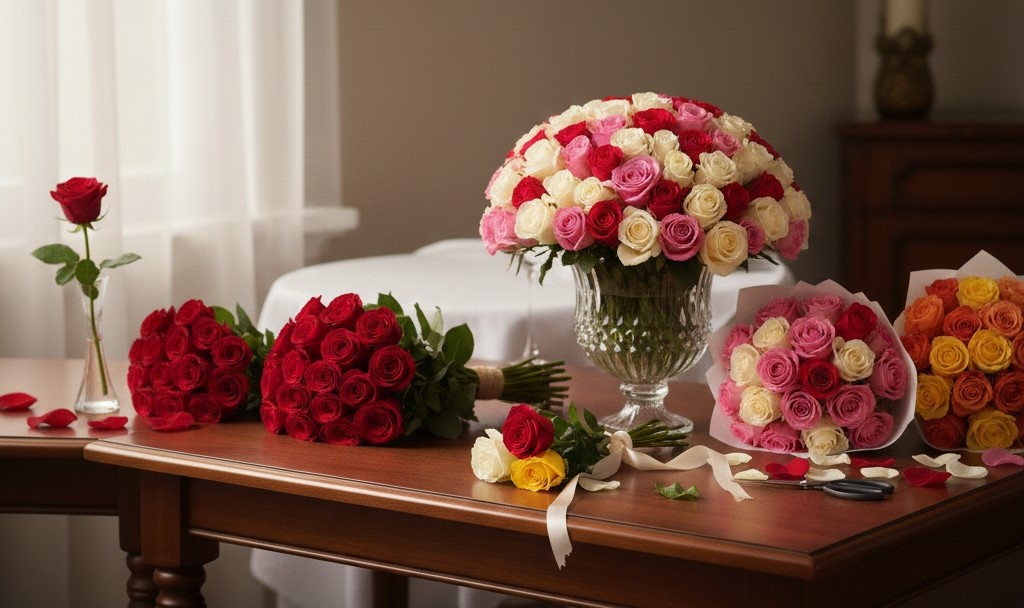
Those who prefer customization typically opt for a rose bouquet diy, which transforms passion into craft through deliberate preferences in texture, height, and rose bouquet design.

Every rose flower arrangement, whether spectacular or simple, from three to a hundred, illustrates a timeless truth: numbers speak their own language, conveying compassion, gratitude, or devotion with exquisite details.

Rose varieties and their unique significance

The world of roses is significantly more diverse than many people realize. While all rose flowers are identified by the botanical name Rosa, each variety has its own unique appeal, history, and symbolism. Roses are among the most expressive flowers in human culture due to their wide range of colors.

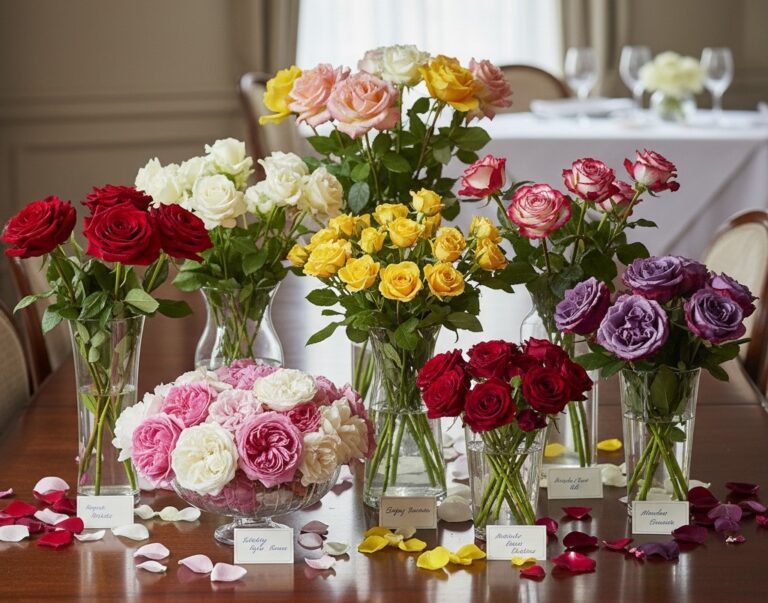
When we examine various types of roses, we notice differences in aroma, petal count, color tones, and growth habits. Garden roses radiate an old-world romantic charm, hybrid teas are the traditional option for long-stemmed beauty, and spray roses provide clusters of exquisite blossoms that are excellent for celebrations. This variety of roses allows users to choose a flower that reflects their emotions or the message they wish to convey.

The deeper you go into the symbolism of rose flowers, the more layers you will uncover. Vibrant shades convey passion or admiration, while soft pastels frequently symbolize thankfulness and compassion. The rose’s shape, whether it is entirely open or fully furled, can affect the intent that it conveys.

Every type, whether contemporary or classic, offers a specific meaning to the language of flowers. And it’s precisely this variety that makes roses classic, adaptable, and beloved for centuries to come.

Art of arranging roses

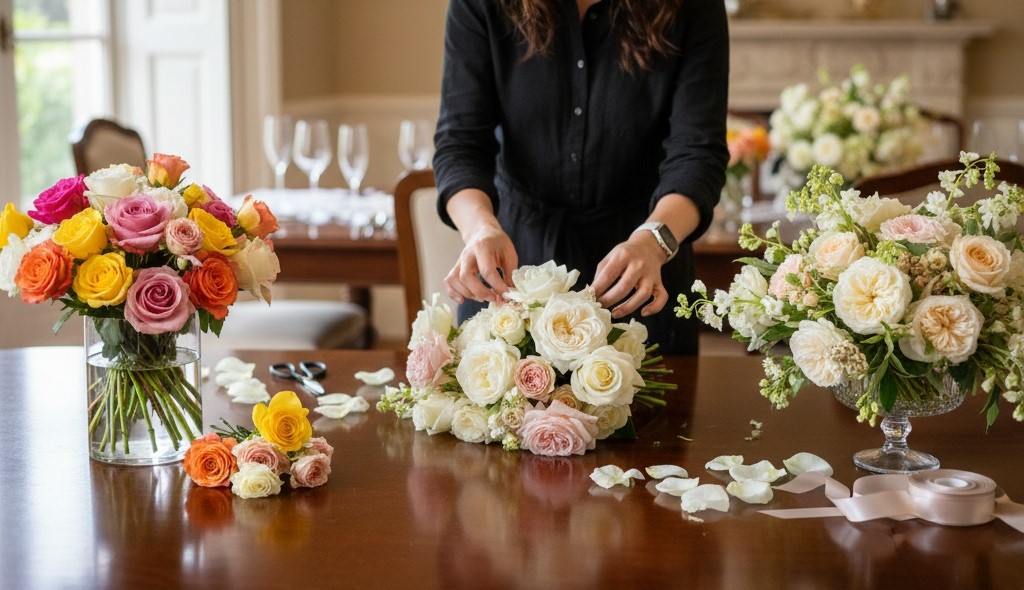
Designing with roses is all about combining texture, color, and placement to evoke strong feelings. Any space or event can be elevated with the right approach, whether you’re creating something detailed or designing a simple flower arrangement in a vase.

Understanding the different types of rose flowers makes it easier to choose which ones offer height, which provide tenderness, and which produce that timeless rose love that people can instantly relate to.

Thoughtful inventiveness is often required for special occasions. Elegance is usually embodied in a rose bouquet wedding, featuring delicate shades, layered petals, and elegant designs that symbolize love and new beginnings.

Brighter colors and whimsical combinations add warmth and enthusiasm to a rose bouquet for a birthday, or any other celebration, making the present feel intimate and joyous.

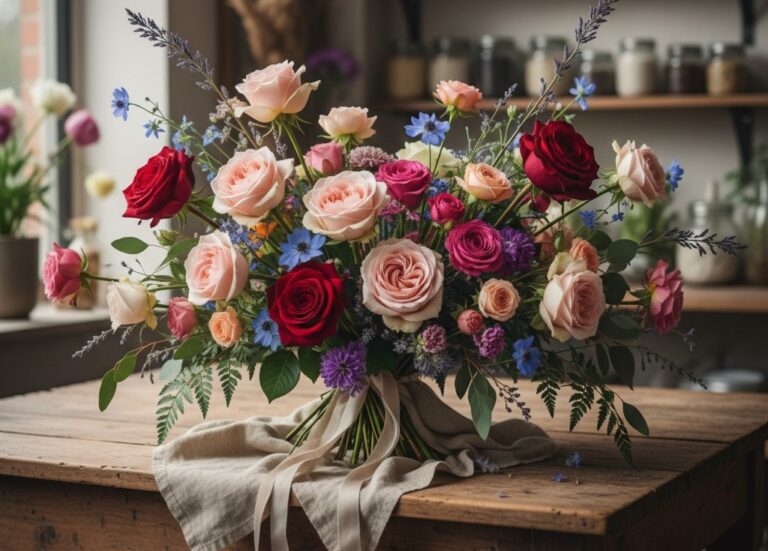
Numerous rose bouquet ideas are made possible by modern decoration, ranging from airy, garden-inspired looks to smaller, more compact clusters. The beauty lies in striking a balance between structure and organic flow, so that every rose stem enhances the overall design of the rose bouquet.

When you make the correct decisions, arranging roses becomes more than just decoration; it’s a meticulously crafted, genuine expression of your love.

Impact of receiving roses

The simple truth is that people feel special when they receive roses. The moment someone opens a box of rose arrangements or unwraps fresh rose flowers, whether it’s a planned gesture or a surprise gift, the mood instantly changes. Even when no words could be spoken, the aroma, the visual warmth, and the delicate texture of rose petals create a particular experience.

The wide variety of rose blooms contributes to this emotional effect. Choosing from a range of roses often conveys the giver’s care, and each color and type has its own unique beauty. This is where the significance of rose flowers arises: when an individual receives a rose, they receive a beautifully wrapped emotion, such as love, appreciation, regret, or affection.

An average day can be made memorable with a charming arrangement of rose flowers. Roses remain one of the most treasured gifts in many cultures, as they symbolize love, affection, and devotion. Receiving roses is more than merely the flowers for many people; it’s also about feeling cherished, remembered, and appreciated.

Popular rose trends in today’s world

Why are roses regaining popularity in a culture preoccupied with novelty? As people seek meaning and emotional depth in gifts, modern florists are reimagining traditional rose varieties to offer something more. Heritage flowers, ruffled textures, and aromatic forms are experiencing a resurgence in popularity.

Instead of sticking to traditional styles, today’s designers experiment with surprising combinations, such as pairing different styles with wildflowers, dry materials, or even sculptural greenery.

This approach demonstrates how different roses can completely transform the personality of an arrangement. And, because each color and variety tells a unique story, rose flower meaning is more important than ever when choosing the perfect bouquet.

Conclusion

As the world advances toward more expressive and customized gifting, rose flowers enter a new era of inventiveness. Innovations in cultivation, color development, and design are producing roses that appear almost unreal—petal forms, gradients, and smells that future generations may regard as the new norm. With so many different roses blooming, each one tells a gripping tale, allowing people to select flowers that perfectly match their personality, mood, or message.

The future encourages people to understand the meaning of the rose flower in their own unique ways, shaped by culture, individualism, and new design possibilities, rather than adhering to conventional symbolism. Roses will continue to reflect shifting emotions and contemporary expression as flowers change and preferences change, demonstrating that their significance will only increase in the years to come.

HomeCategoriesAccount
Search