Flowers and Love Since Ages: Why Flowers Symbolise Valentine’s Day Gifting
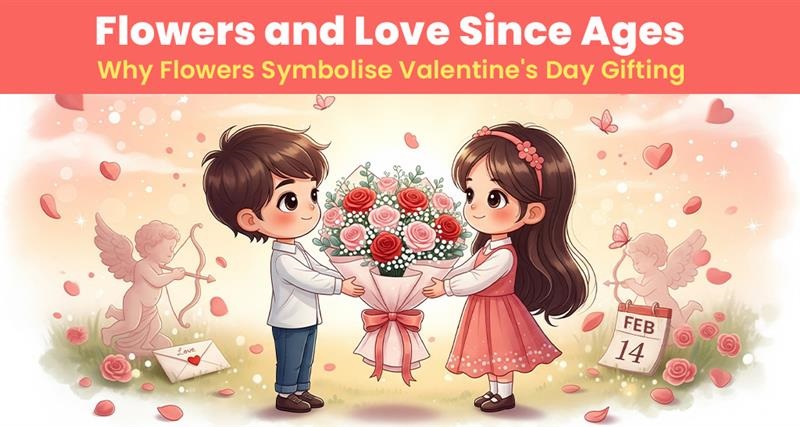
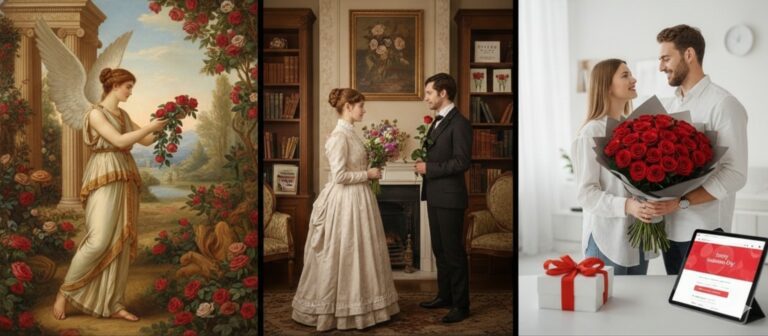
Flowers are symbols of love. For centuries, people have used them to show romance, care, and admiration, especially when words aren’t enough. Red roses became a symbol of love through the legends of Aphrodite/Venus, and in the Victorian era, people used floriography (the “language of flowers”) to send hidden love messages. With their beauty, fragrance, and colour, flowers for loved ones remain the most natural way to say “I love you,” “I miss you,” or “I’m thinking of you” on Valentine’s Day
Flowers and Love: A Story Rooted in History
Gifting flowers originated as a symbol of love, with ancient Greek and Roman myths associating roses with Aphrodite/Venus. In the 1800s, Victorians used floriography, or the “language of flowers,” to send secret messages with bouquets. This practice eventually led to flower-giving becoming a yearly tradition for Valentine’s Day, with florists making the romantic rose very popular.Today, it’s evolved into modern gifting with online ordering, personalized notes, premium wrapping, and trends like forever roses and gift combos.
A connection between flowers and love has lasted for as long as humans have attempted to express their emotions without saying too much. Flowers, long before extravagant gestures or automated messaging, were a natural way to express affection, simple, honest, and real. Their presence in instances of love has silently persisted across time, influencing how feelings are expressed.
Over time, the relationship between flowers and lovers evolved into a meaningful gesture rather than a formal tradition. Giving flowers has evolved into a method to express caring, appreciation, longing, and dedication when words fail. Flowers remained consistent while relationships evolved, adjusting to every manifestation of love, from early beginnings to long-term alliances.
What actually distinguishes flowers is their capacity to convey emotion instantly. A single blossom can convey tenderness, passion, or reassurance without words. In a world full of messages and noise, flowers remain timeless in their ability to describe love in its purest form.
Love Flower Meanings: Every Bloom Speaks
Flowers and love share the ability to convey human emotion quietly. A love flower does not require excellent explanations; instead, it communicates through color, scent, flowers, and form.
When words are insufficient or overwhelming, flowers offer a natural way to express devotion, making them highly personal for both the giver and the recipient.
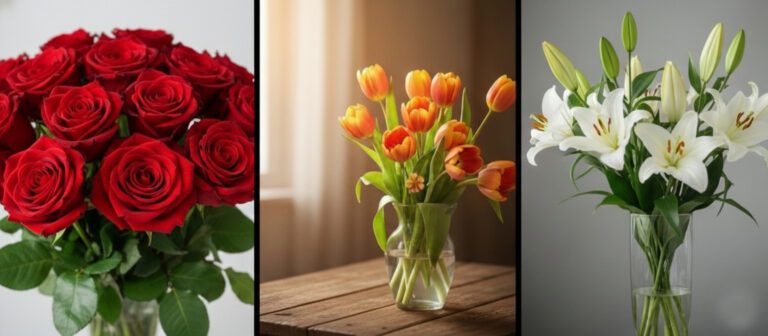
Different flowers elicit different feelings, which is why they are so popular as Valentine’s Day gifts. Roses continue to represent passion and commitment, tulips warmth and sincerity, and lilies adoration and respect.
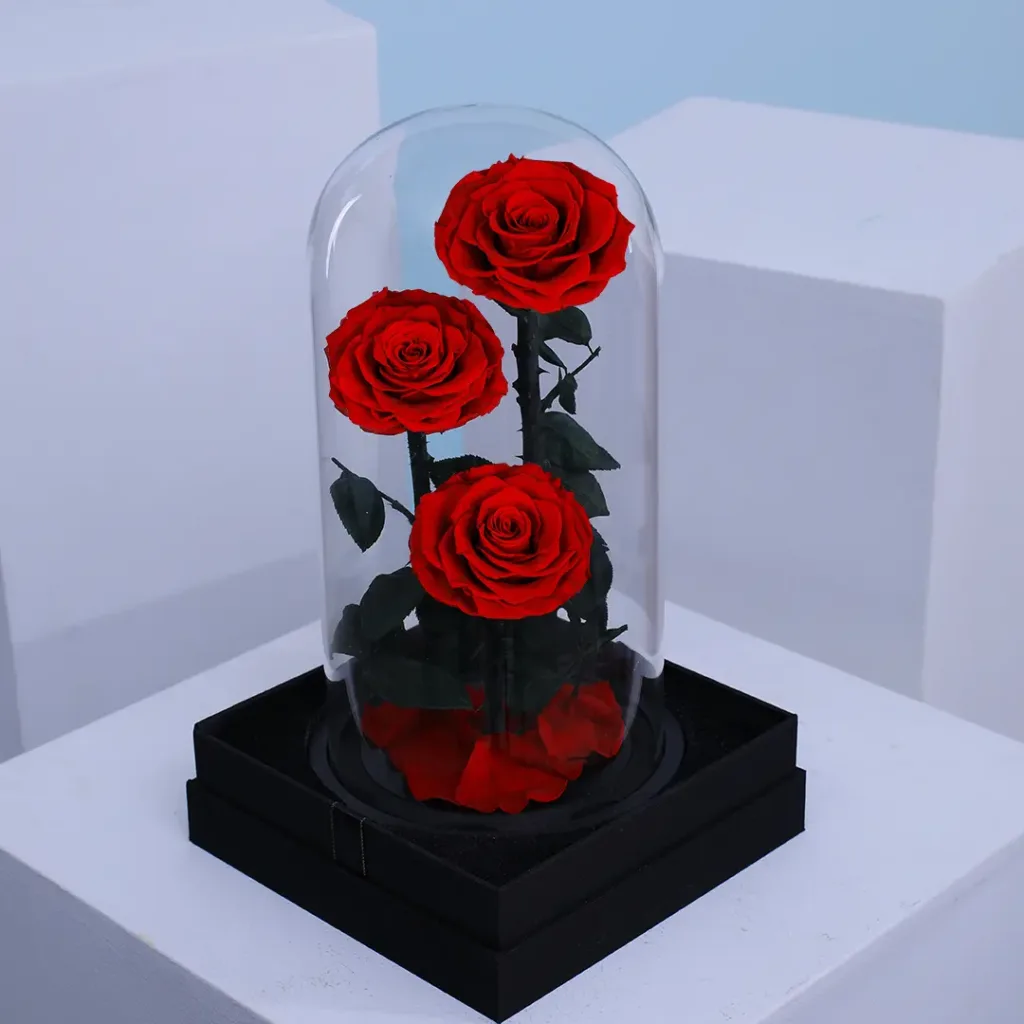
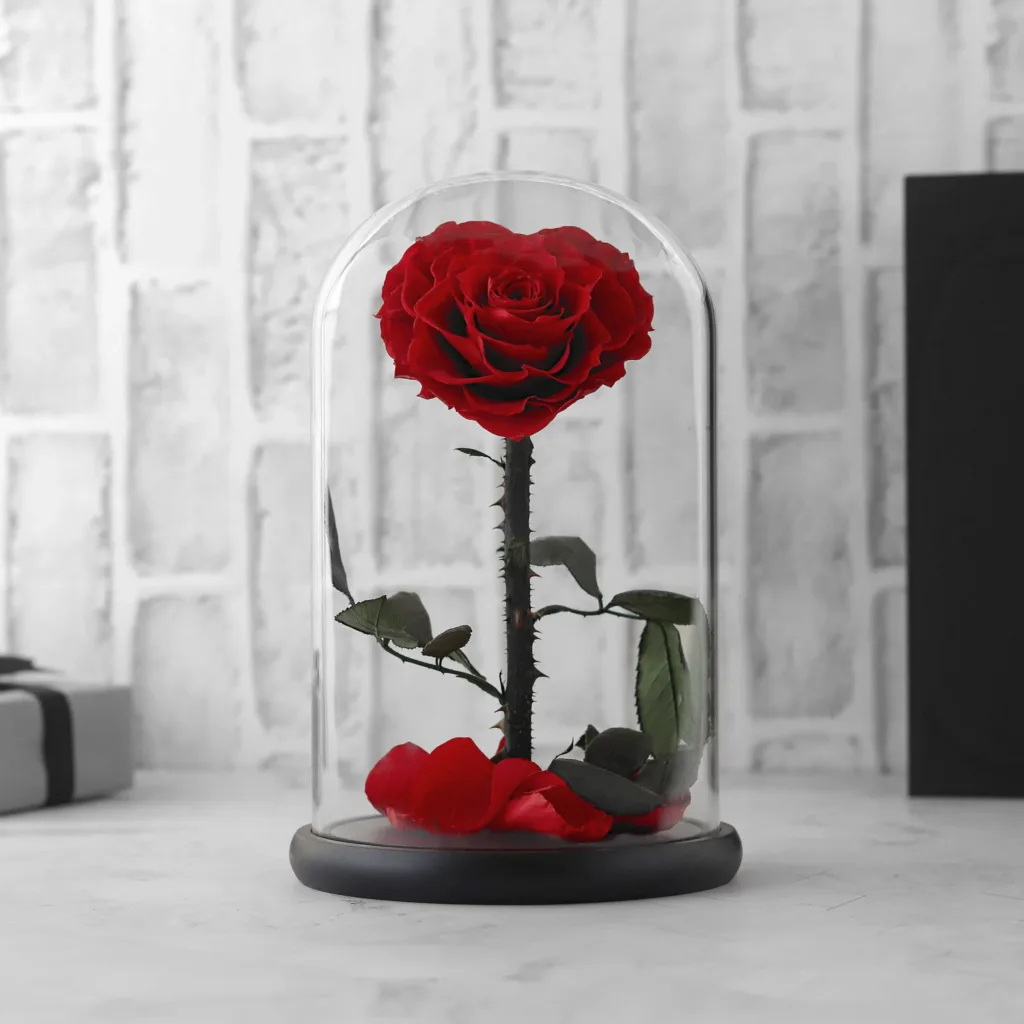
For those seeking something enduring, the forever rose has become a modern symbol of lasting love. Flowers offer a natural way to transcend the present moment. These meanings help lovers choose flowers that reflect their true feelings.
Choosing flowers based on feeling rather than trends makes the gesture more sincere. Flowers thoughtfully chosen for loved ones demonstrate care and understanding, whether the relationship is
romantic, familial, or highly personal.
When flowers are chosen for love rather than popularity, they become more than just gifts; they become a significant expression of emotions shared by flowers and lovers, rooted in emotion rather than fashion.
When Love is Meant to Last Beyond the Moment
Valentine’s Day flowers are no longer simply about a single bloom; they are about how love is expressed and remembered. From carefully chosen flower bouquets that speak directly to the heart to thoughtfully crafted flower arrangements that reflect shared emotions, each style adds its own meaning to the gesture. These choices allow lovers to express love in ways that feel personal and deeply meaningful.
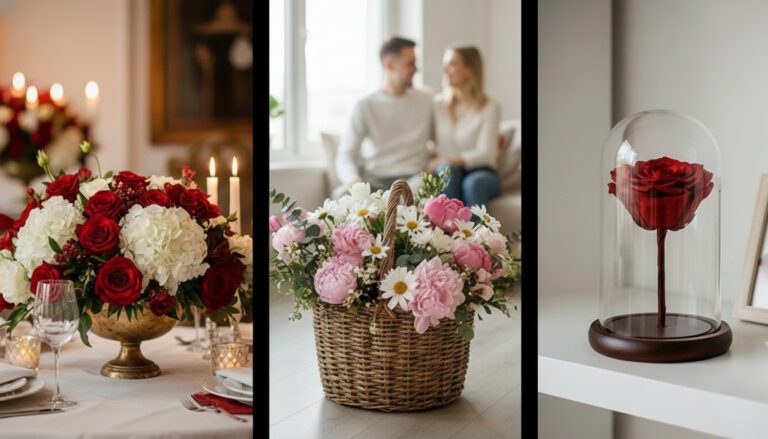
Flowers have become a symbol of love for many people. A romantic flower centrepiece sets the tone for an intimate Valentine’s dinner, while a beautiful flower vase retains the warmth in ordinary moments.
Flower baskets, with their sense of fullness and warmth, often represent generosity and togetherness, making them ideal for partnerships based on comfort and care.
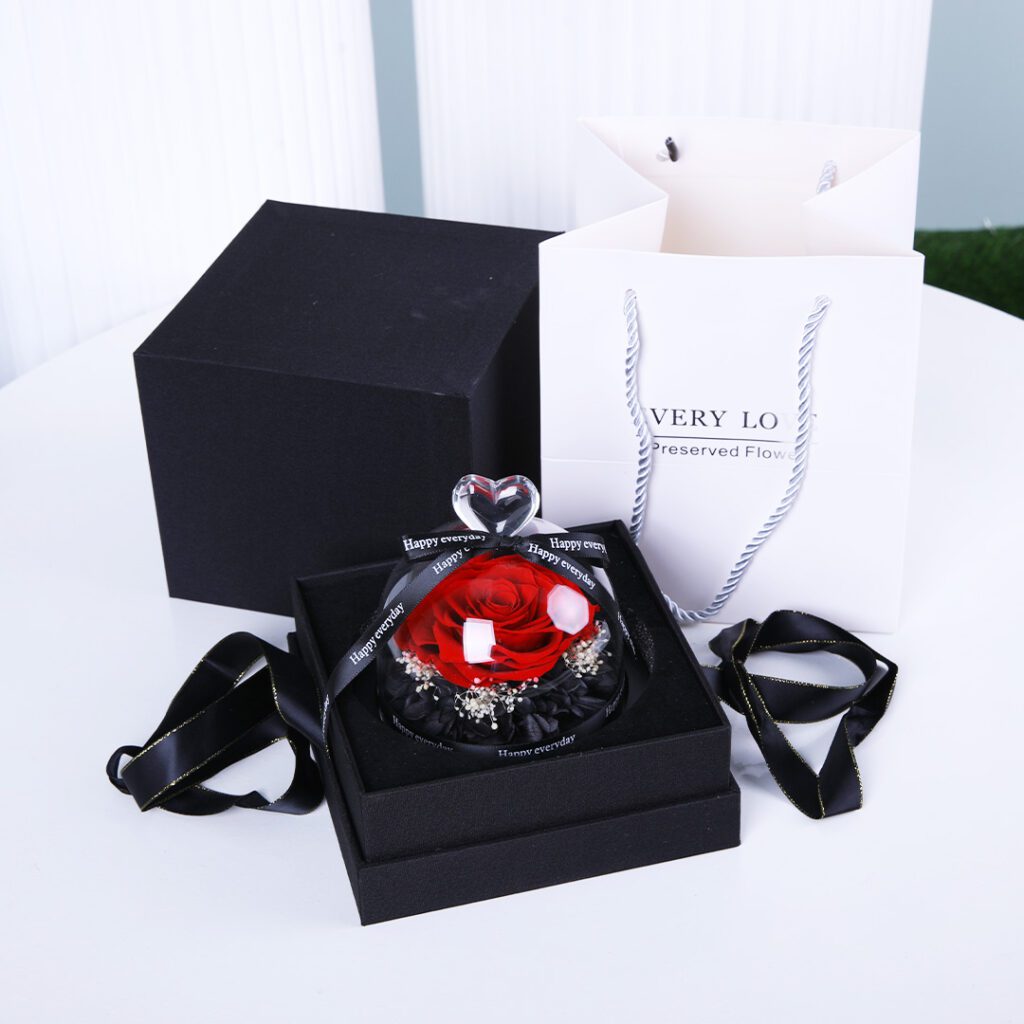
Along with these affirmations, long-lasting floral souvenirs, such as the love forever rose, have gained popularity among modern Valentine’s. Preserved roses, like significant arrangements, signify affection that lasts beyond the day itself.
These floral arrangements transform Valentine’s flowers from transient gifts to long-lasting mementos of love—chosen wisely, presented exquisitely, and deeply remembered.
Flowers for Loved Ones: Beyond Romantic Partners
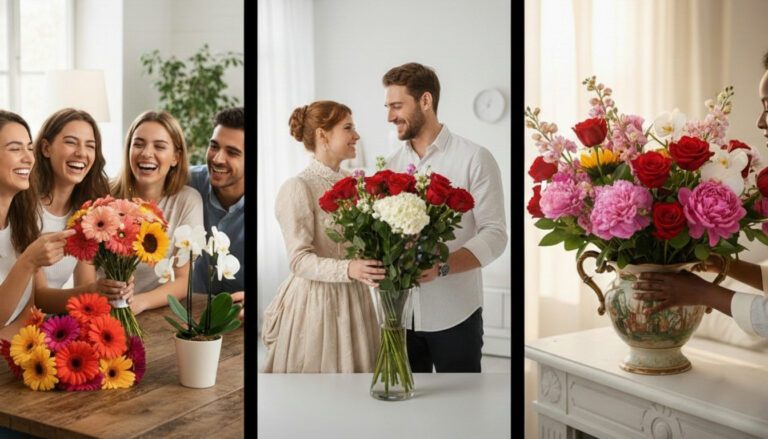
Valentine’s Day is frequently viewed through a romantic lens, yet at its heart, it honors flowers and love in all significant relationships. Giving flowers to loved ones comes easily to family members, close friends, mentors, and even oneself.
A well-chosen love flower can indicate thanks, admiration, and emotional closeness—feelings that need to be recognized outside of romantic relationships. Certain flowers are ideal non-romantic Valentine’s Day gifts. Carnations represent admiration and are suitable for parents and elders, while gerberas convey warmth and enthusiasm, making them perfect for friends and loved ones.
Orchids represent respect and elegance, and are often chosen to honor mentors or individuals who inspire us. Sunflowers, with their vibrant presence, reflect loyalty and excitement, making them an inspiring gift for siblings or close friends. Each blossom conveys emotion without being overly romantic, allowing love to be expressed safely and honestly.
Flowers’ ability to adapt to any relationship is what truly distinguishes them. Flowers picked with love, whether arranged in a bouquet, delivered in a basket, or styled in a simple vase, have a profound impact on the recipient.
Flowers transform Valentine’s Day into a shared celebration of connection, compassion, and heartfelt appreciation by bringing lovers, families, and friendships together.
Flowers by Love, Not Obligation
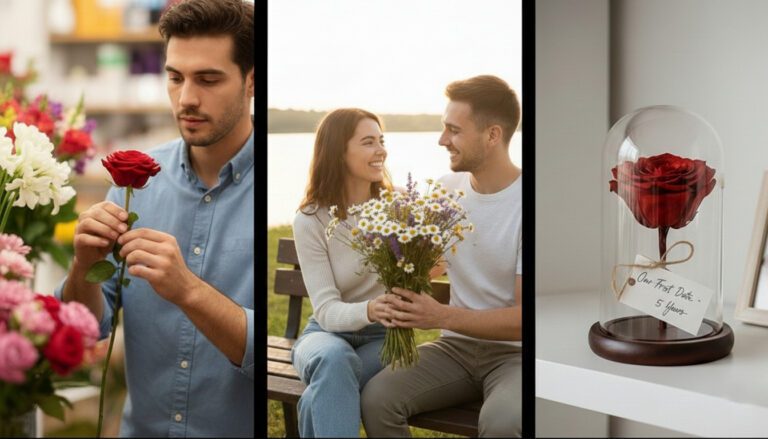
True Valentine’s Day gifting begins with flowers chosen with love rather than expectation. Rather than sticking to customs or trendy styles, memorable floral presents stem from recognizing the mood of the moment. Flowers and love come together organically when a bloom is chosen to represent a mood, a memory, or a shared connection.
Thoughtful choices speak louder than extravagant gestures. A simple love flower, a beautifully organized bouquet, or even a love everlasting rose picked for its symbolic value demonstrates genuine concern. These flowers become more than just gifts; they’re personal demonstrations of affection. Flowers have emotional depth because of the motive behind them, whether they are given to loved ones or a romantic partner.
Why Flowers and Lovers Still Choose Blooms on Valentine’s Day
Flowers continue to hold a special place in a world full of material options because their emotional impact is instantaneous and far-reaching. Flowers, unlike other gifts, convey feelings instantly.
This enduring connection between flowers and lovers explains why flowers remain crucial to Valentine’s Day festivities.
Flowers promote shared experiences. From exchanging bouquets to arranging flowers together or setting flowers in a vase at home, they become a part of the couple’s experience.
Even outside of romance, flowers for loved ones allow emotions to be communicated gently and honestly, establishing bonds via meaningful but straightforward gestures.
Flowers are the most trusted Valentine’s Day expression because of their honesty. They are rooted in flowers and love and may adapt to every relationship, emotion, or intention.
Chosen by love, flowers continue to speak where words fall short—making them timeless, heartfelt, and deeply meaningful.
Conclusion:
Valentine’s Day endures because it celebrates the most straightforward and most powerful human emotion—love. At the centre of this celebration lies the timeless bond between flowers and love, a connection that has quietly evolved yet never lost its meaning.
Flowers continue to symbolize Valentine’s Day, as gifting them is effective because it communicates emotion without complexity, allowing feelings to be felt rather than explained. What makes flowers truly special is their ability to turn fleeting moments into lasting memories.
A thoughtfully chosen love flower shared in the present can become a cherished reminder of affection long after the day has passed. For those seeking permanence, a preserved love forever rose reflects commitment and continuity, while flowers for loved ones extend Valentine’s Day beyond romantic gestures, embracing family, friendships, and meaningful connections.
When flowers are chosen by love, they rise above trends, rituals, and expectations. They become personal expressions—carefully selected, sincerely gifted, and deeply remembered. In every form, flowers allow love to bloom naturally, making Valentine’s Day not just a moment in time, but a heartfelt experience carried forward through emotion, memory, and intention.
Flowers and love share a timeless emotional connection because flowers express feelings without words. For flowers and lovers, a thoughtfully chosen love flower communicates care, affection, and intention in a way that feels natural and heartfelt.
Yes. Flowers for loved ones are a meaningful way to celebrate Valentine’s Day with family, friends, and those who matter most. When flowers are chosen by love, they reflect appreciation and connection, not just romance.
A love forever rose symbolises lasting affection and memory. Unlike traditional blooms, it represents love that continues beyond the moment, making it a thoughtful choice for flowers and lovers who value permanence and emotional meaning.