How Flowers Connect Generations with Love and Emotion
Valentine’s Day has consistently been the most significant day for floral gifting, with flowers and flower bouquets leading the way year after year. Flowers, from single roses to meticulously designed Valentine’s bouquets, remain the favorite way to convey affection on this special day.
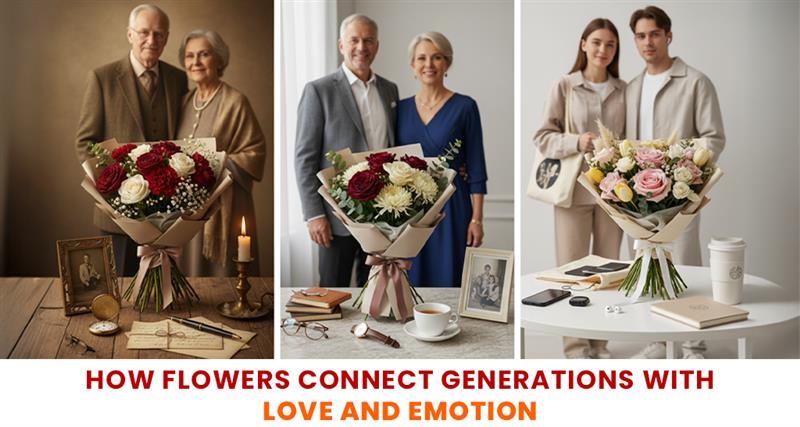
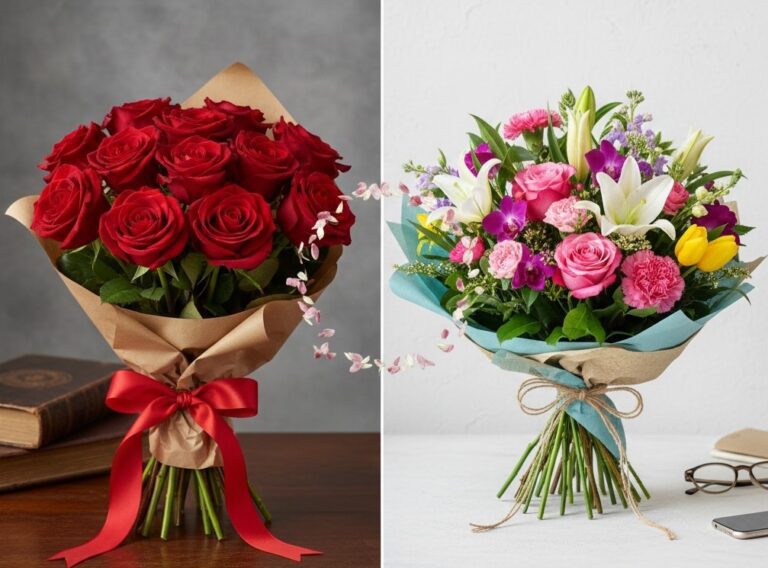
Flower bouquets have been popular for decades. Older generations typically identify Valentine’s Day flowers with classic red roses and simple arrangements, whereas younger people prefer mixed flower bouquets, stylish wrapping, and personalised styles.
Despite these modifications in presentation, the objective of giving flowers on Valentine’s Day remains the same: to convey emotions that words cannot.
What has changed over time is the way flower bouquets are designed and delivered, not the reason they are given. Flowers, from hand-tied bouquets to professionally organized Valentine’s Day arrangements accessible online, retain their meaning while adapting to current preferences.
This combination of history and innovation is what keeps Valentine’s Day flowers relevant for centuries.
Why Flowers Bridge the Generation Gap Better Than Any Other Valentine’s Gift
The generation gap is most visible when comparing how different age groups approach Valentine’s Day gifting. Trends, technology, and lifestyles vary widely but flowers continue to hold relevance across all generations.
For older generations, flowers represent tradition, continuity, and emotional consistency. They are a familiar expression of love that has remained unchanged over time. For younger generations, flowers offer flexibility allowing emotions to be expressed through modern designs, colours, and personalised arrangements.
Unlike trend-driven gifts that appeal to only one age group, flowers adapt naturally to generational differences. They respect tradition while allowing innovation, making them one of the few Valentine’s gifts that do not feel outdated to one generation or overwhelming to another.
Flowers also help bridge emotional communication gaps. Where older generations may express affection quietly and younger generations more openly, flowers serve as a neutral emotional medium—carrying meaning without requiring explanation.
This ability to exist comfortably on both sides of the generation gap is what makes flowers a timeless Valentine’s Day gift. They allow love to be expressed differently, yet understood universally.
Flower Bouquets that Suit Every Generation
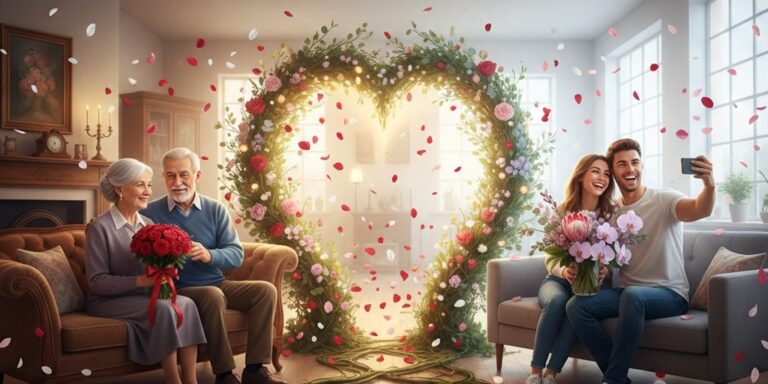
A Valentine’s flower bouquet continues to resonate across generations because each age group interprets flowers through its own emotional lens.
For earlier generations, classic red rose bouquets represent unwavering love and lifelong commitment. Their familiarity and symbolism make them emotionally reassuring, reinforcing traditions passed down over decades.
Younger generations often gravitate toward mixed flower arrangements that reflect individuality and expression. These bouquets combine roses with lilies, orchids, carnations, or tulips, blending traditional symbolism with modern aesthetics. While the presentation feels contemporary, the emotions conveyed—love, admiration, and appreciation—remain deeply rooted in tradition.
The way bouquets are chosen may differ, but the emotional intention behind them stays constant. Smaller, understated arrangements appeal to those who value subtlety, while fuller, expressive designs resonate with those who prefer visible celebration. Each choice reflects generational preferences without altering the emotional language of flowers.
This adaptability is what allows Valentine’s Day flower bouquets to remain relevant. Flowers adjust to evolving tastes while continuing to connect people across age groups through shared emotional meaning.
Modern Valentine’s Day Flowers: New Styles and Same Meaning
Modern Valentine’s Day giving has taken a definite turn toward curated floral bouquets and designer flower arrangements.
Today’s Valentine’s flower collections are deliberately crafted, integrating structure, color balance, and flower selection to create arrangements that seem luxurious and meaningful.
Despite these modern changes, the symbolic meaning of flowers remains a significant influence on the design of bouquets and arrangements.
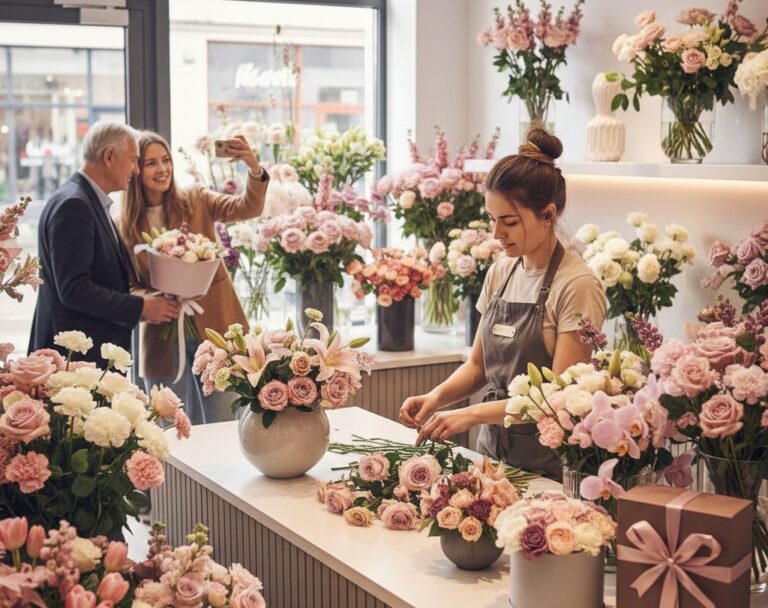
Valentine’s Day flower options now reach beyond the traditional red roses. Soft pinks, whites, pastel tones, and strong, blended hues are popular color palettes that can be seen in hand-tied flower bouquets and exquisite vase arrangements.
Understanding what each flower represents influences these combinations—roses signify love and romance, tulips represent adoration, lilies represent dedication, and carnations represent enduring attachment.
These symbolic preferences enable florists to create Valentine’s Day arrangements that feel genuinely meaningful rather than just visually appealing.
Personalised Valentine’s flowers are very popular with younger generations. Custom floral box arrangements, mixed arrangements, and tailored vase designs allow people to express their personality while remaining true to tradition.
Whether you choose from the particular Valentine’s flower collection or create your own bouquet, the connection between flowers and emotions stays the same.
Modern designs may change, but flowers continue to hold a meaning that transcends generations, making Valentine’s Day flower gifting as meaningful now as ever.
Valentine’s Day Flowers Beyond Romantic Relationships
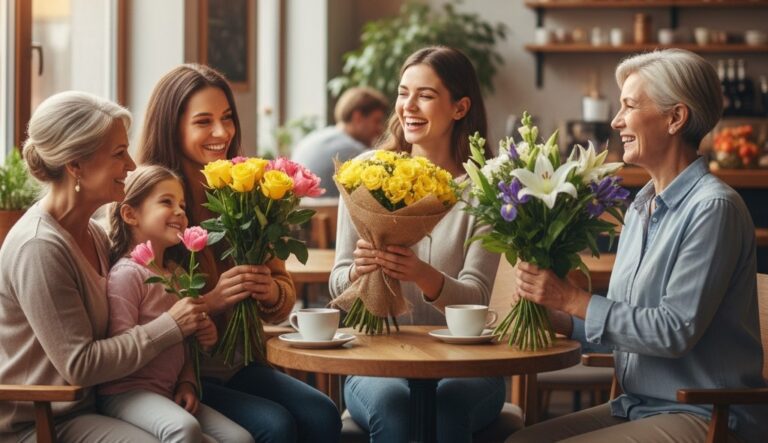
Valentine’s Day flowers are no longer just about romantic gestures. Today, Valentine’s flowers are frequently used to commemorate long-standing relationships with spouses, long-term partners, and even family members.
Flowers are symbolic of affection, respect, and continuance in these partnerships. The symbolic meaning of flowers is significant in this context, as individuals choose blossoms that express deeper, more enduring ties rather than transient emotions.
Friends and mentors are increasingly receiving thoughtful Valentine’s Day bouquets. Before purchasing a bouquet, many buyers analyze what each flower colour represents like yellow blossoms represent friendship, pink blooms represent admiration, and white flowers represent purity and truthfulness. Read more about flower colour meanings and what they say about love and life.
These thoughtful arrangements demonstrate how flowers can convey gratitude and compassion without romantic intent, underscoring the natural connection between flowers n emotions.
Valentine’s Day flowers take on new meaning as giving trends shift. A Valentine’s flower bouquet, whether shared with family members, friends, or professional mentors, now conveys connection in various ways.
This broader interpretation makes Valentine’s Day gift-giving feel more inclusive while maintaining the emotional meaning that flowers have held for generations.
Conclusion
Valentine’s Day flowers have stood the test of time because they convey a message that all generations can understand. Whether it’s a conventional bouquet, a modern flower arrangement, or part of a Valentine’s gift set, the symbolic meaning of flowers continues to influence how people express compassion and connection on this special day.
Understanding what each flower represents enables consumers to choose Valentine’s Day flowers that are thoughtful and intentional, while the fundamental connection between flowers and emotions guarantees that these gestures are significant.
Flowers continue to adapt to changing gifting trends, such as curated collections, personalized bouquets, and easy delivery, while maintaining their emotional relevance.
Ultimately, a Valentine’s flower is more than just a gift; it’s a symbol of love. Flowers have reflected tradition, trust, and expression throughout generations, making them a timeless and dependable choice for Valentine’s Day celebrations, both past and present.

FAQs
Flowers carry emotions that don’t need explanation. Their symbolism and natural beauty create an instant emotional connection that feels personal and genuine.
Select flowers based on their symbolic meaning rather than trends. Roses, lilies, and tulips remain timeless, even when arranged in modern designs.
Flowers don’t rely on trends, technology, or language. Their emotional symbolism is universally understood, making them relatable across generations.
Yes, but they are expressed differently. Older generations focus on traditional meanings, while younger generations express those same emotions through modern styles and personalised designs.